Adjust Your Strategy as the Game Evolves


Adjust Your Strategy as the Game Evolves
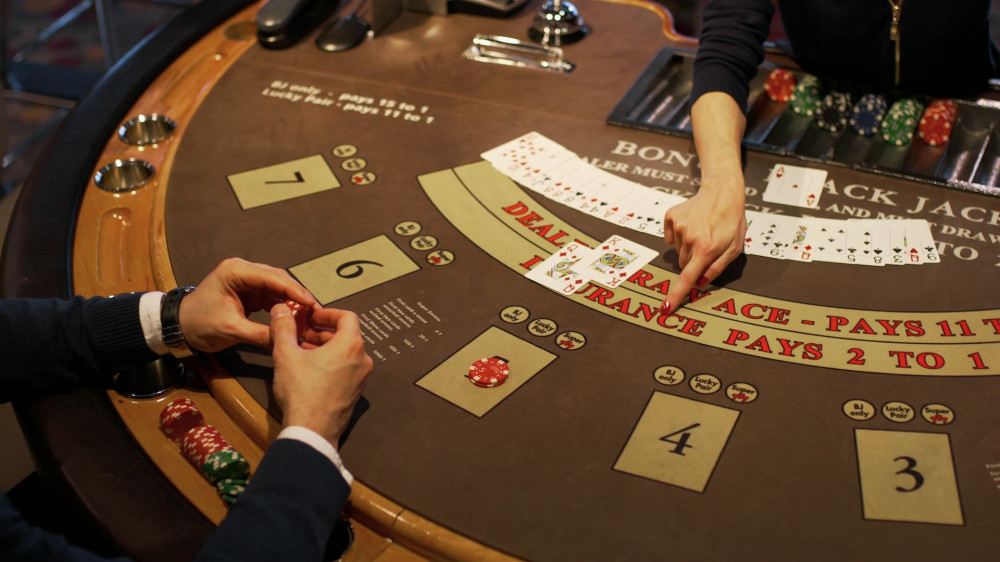
Playing at a casino isn’t just about luck—it’s about timing, awareness, and adaptability. Whether you’re sitting at a blackjack table, spinning the roulette wheel, or joining a poker game, your ability to adjust your strategy as the game evolves can make a real difference. You don’t need to be a math genius to do it; you just need to understand the rhythm of the game and your own reactions to wins and losses.
Read the Flow of the Game
Every game has its own pace and energy. Sometimes everything seems to go your way; other times, the cards or the wheel just won’t cooperate. While outcomes are random, paying attention to patterns in your own behavior and the game’s tempo can help you make smarter decisions.
- Monitor your focus and mindset. If you start feeling impatient or distracted, it’s often a sign to take a break rather than raise your bets.
- Observe the flow. In games like poker or blackjack, you can adjust your approach based on how opponents are playing or how the cards are falling.
- Avoid chasing losses. Doubling down after a loss in hopes of winning it back is a common mistake that usually leads to poor decisions.
Reading the game’s rhythm isn’t about predicting outcomes—it’s about recognizing when you’re playing at your best and when it’s time to pause and reset.
Læs også:



Use Flexible Betting Strategies
There’s no single betting system that guarantees success, but choosing a strategy that fits your comfort level and budget can help you stay in control.
- Flat betting: Wagering the same amount each time keeps things steady and makes it easier to track your bankroll.
- Progressive betting: Increasing your bet after a win can help you take advantage of a good streak—just make sure you set clear limits.
- Conservative approach: Lowering your bet after a loss helps protect your balance and maintain composure.
Whatever method you choose, always set a firm limit for how much you’re willing to bet and lose. That discipline separates thoughtful players from impulsive ones.
Adapt as the Game Changes
Games can shift quickly. A poker table’s dynamic can change when new players join, or a roulette session can turn cold after a few unlucky spins. Instead of reacting emotionally, adjust rationally.
- Analyze the situation. Ask yourself whether you’re making strategic choices or simply reacting to frustration.
- Change your pace. Sometimes slowing down, taking smaller risks, and focusing on clarity can help you regain control.
- Use momentum wisely. If you’re in a good rhythm and thinking clearly, you can gradually increase your bets—but always within your own limits.
Adjusting your strategy isn’t about “riding the luck.” It’s about responding intelligently to what the game—and your own instincts—are telling you.
Know Your Limits and Play Responsibly
Smart play isn’t just about winning—it’s about staying responsible. Set both a time limit and a spending limit before you start. Doing so helps you make rational decisions even when the game gets intense.
Remember, casino gaming should be entertainment, not a way to make money. The best strategy is the one that keeps you in control, calm, and enjoying the experience—win or lose.
A Strategy That Grows With You
Learning to adjust your strategy as the game evolves is a skill that improves with experience. The more you understand the mechanics of the game and your own reactions, the better you’ll become at adapting. It’s all about finding the balance between confidence and caution—and letting the game be a challenge, not a struggle.
Læs også: