Emotions and Quick Bets: How to Stay Calm During Live Betting Under Pressure

Emotions and Quick Bets: How to Stay Calm During Live Betting Under Pressure
Live betting is a high-adrenaline experience. The game is unfolding in real time, odds are shifting every second, and decisions have to be made fast. It’s thrilling—but it can also be stressful. When emotions take over, it’s easy to act impulsively and lose focus. That’s why staying calm is one of the most valuable skills for anyone who wants to succeed in live betting. Here’s how to keep your cool when the pressure is on.
Understand Your Emotions—and Why They Influence Your Choices
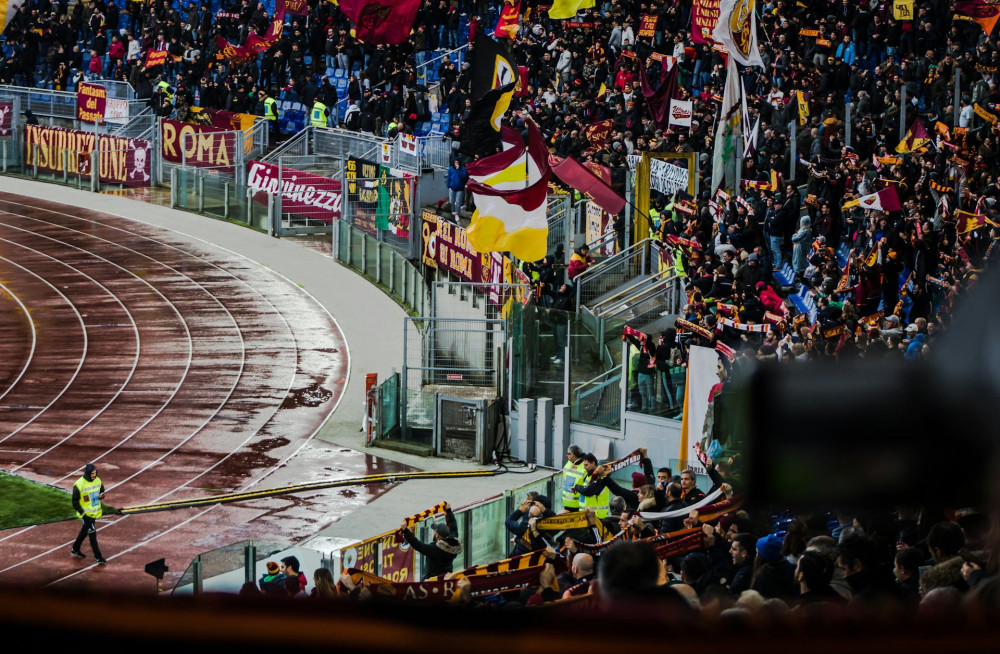
Watching a game live naturally stirs emotions. A touchdown, a missed field goal, or a controversial call can send your heart racing. That emotional rush is part of what makes live betting exciting—but it’s also what makes it risky. Feelings like excitement, frustration, or fear can push you to make snap decisions.
The first step to staying calm is to acknowledge your emotions. You can’t eliminate them, but you can learn to notice them without letting them control your actions. Ask yourself: Am I betting based on analysis—or on emotion? That awareness can be the difference between a smart wager and a costly mistake.
Have a Game Plan Before the Game Starts
The best live bettors never go in unprepared. You can’t predict every play, but you can define what you’ll bet on and when you’ll hold back before the game begins.
Create a strategy for how you’ll respond to different scenarios. For example:
- If the favorite team falls behind early and the odds shift dramatically, you might consider a comeback bet.
- If the game turns messy with frequent penalties, you might avoid betting on total points.
Having a plan gives you a mental anchor when emotions start to rise. It helps you stick to logic instead of impulse.
Know Your Limits—Financial and Mental
One of the biggest traps in live betting is chasing losses. When a bet goes against you, the urge to “win it back” can be strong. But that’s exactly when you need to pause and breathe.
Set clear limits on how much you’re willing to wager, and stick to them—no matter how the game unfolds. The same goes for your mental state: if you feel yourself getting too emotional, take a break. Knowing when to stop isn’t weakness—it’s discipline.
Use Breaks to Regain Focus
Even in the most intense games, there are natural pauses—timeouts, halftime, or video reviews. Use those moments to regain perspective. Check the stats, reassess your original analysis, and ask yourself whether it still makes sense to continue betting.
A short break can be enough to calm your impulses and refocus your mind. Many experienced bettors use these pauses to reset mentally and make more rational decisions.
Learn from Your Decisions, Not Just the Results
It’s easy to measure success by wins and losses, but in live betting, the quality of your decisions matters just as much. A losing bet can still be a good one if it was based on sound reasoning—and a winning bet can be pure luck.
After the game, review your bets: What did you do well? When did emotions take over? Over time, this reflection will help you become more disciplined and composed under pressure.
Create the Right Environment for Focus
Your surroundings can have a big impact on how calm and focused you feel. If you’re watching with a loud group of friends, it’s harder to think clearly. Consider placing your live bets in a quiet space where you can concentrate.
Make sure you have the right tools ready—reliable internet, updated stats, and access to live streams. The better prepared you are, the less stressed you’ll feel when the action heats up.
Læs også:

Calmness as Your Competitive Edge
Live betting isn’t just about predicting the game—it’s about managing yourself. The bettor who stays calm while others panic has a clear advantage. It takes practice, but with awareness, planning, and discipline, you can make composure your strongest strategy.
When you learn to make decisions with your head instead of your gut, live betting becomes not only more controlled—but also far more rewarding.
Læs også: