Indoor vs. Outdoor: Understanding How Playing Conditions Affect the Pace of the Game


Indoor vs. Outdoor: Understanding How Playing Conditions Affect the Pace of the Game
When two players face each other on a tennis court, it’s not just skill and strategy that determine the outcome. The environment plays a much bigger role than many realize. The difference between playing indoors and outdoors can change everything—from the speed of the ball to a player’s mental rhythm. For both professionals and recreational players, understanding these conditions can be the key to adapting your game—and winning more matches.
How the Environment Shapes the Game’s Tempo
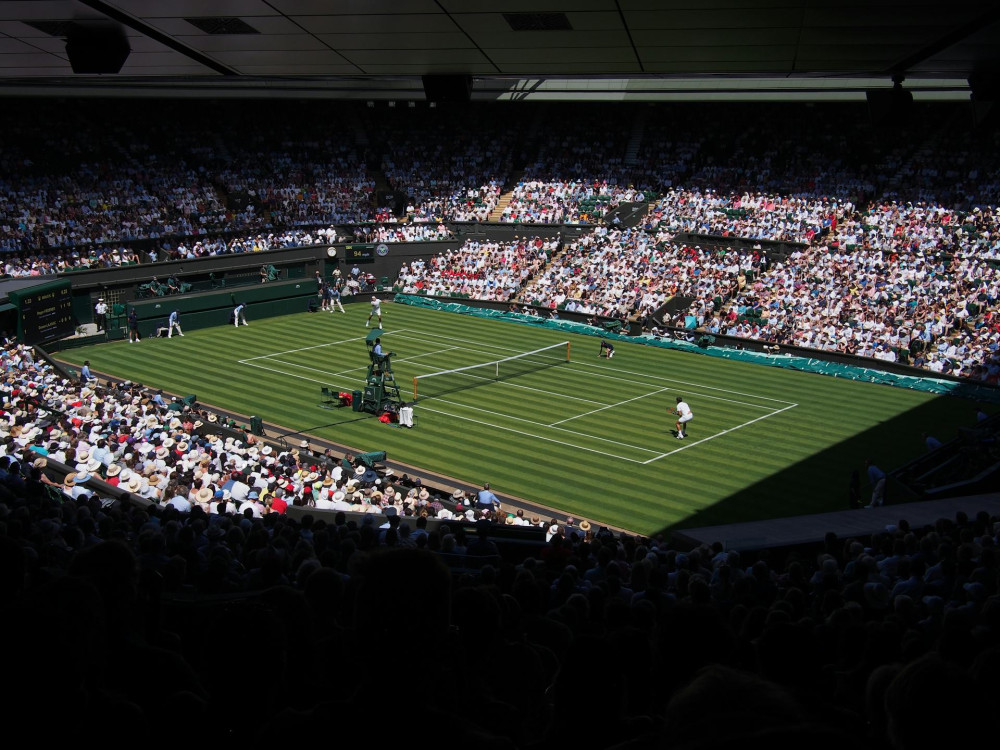
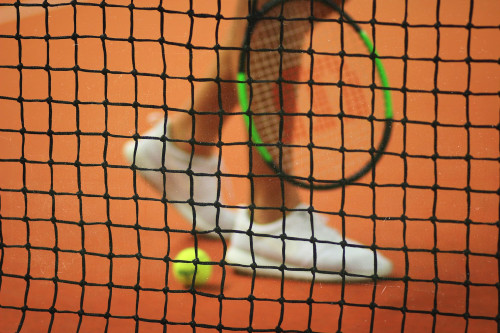
Indoor courts are defined by stability: no wind, no sun, and a consistent temperature. That means the ball travels more predictably and often faster, since the air is dry and resistance is lower. The game becomes more direct, favoring players with strong serves and aggressive baseline play.
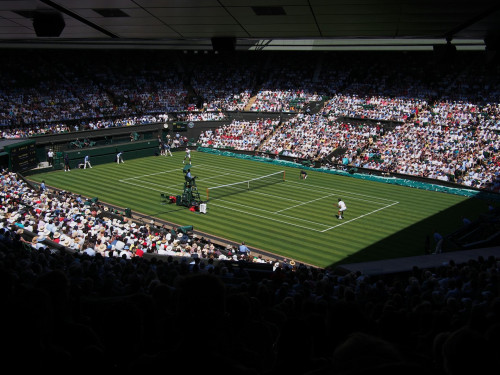
Outdoor courts, on the other hand, bring nature’s unpredictability into the mix. Wind can alter the ball’s flight, sunlight can interfere with visibility, and temperature and humidity affect both the bounce of the ball and a player’s endurance. In these conditions, patience, adaptability, and the ability to read the environment become crucial.
Læs også:

The Surface Makes the Difference
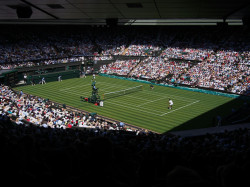
While both indoor and outdoor courts can feature different surfaces, there are common trends. Indoors, matches are often played on hard courts or carpet, which produce a fast game with a low bounce. This setup benefits players with powerful serves and precise shot-making.
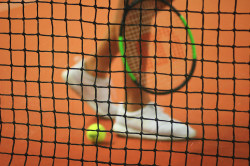
Outdoor courts in the U.S. range from hard courts—like those used at the U.S. Open—to clay and grass. Clay courts slow the game down and create longer rallies, rewarding players with stamina and consistency. Grass courts, though less common in the U.S., offer a faster bounce and favor serve-and-volley players.
Mastering the transition between surfaces requires both technical and tactical flexibility. Many players spend weeks adjusting their footwork, timing, and shot selection when moving from one environment to another.
Weather and Light – The Hidden Factors
Outdoor play demands more than just technical skill. Wind can force players to hit with more topspin to keep the ball in play, while the sun’s position can affect serves and returns. Humid air makes the ball heavier, while heat can make it bounce higher and travel faster.
Indoors, lighting is artificial and consistent, creating a uniform experience. But for some players, the enclosed atmosphere can feel intense or even claustrophobic. Indoor matches often feel faster and more pressurized—not just physically, but mentally—because every point seems to come and go in a flash.
The Mental Game
Playing conditions influence not only the ball but also the mind. Indoors, the quick pace and tight atmosphere can create pressure, where small mistakes are magnified. Outdoors, success often depends on patience and the ability to accept that external factors—like a gust of wind or an uneven bounce—can change a point in an instant.
The best players are those who stay calm and adjust their strategy. Indoor tennis often rewards taking initiative and dictating play, while outdoor tennis is about reading the situation and responding with flexibility.
How to Adapt Your Game
No matter your level, you can benefit from understanding how your surroundings affect your performance:
- Indoors: Focus on quick reactions, precision, and aggressive play. Your serve becomes a major weapon.
- Outdoors: Train patience and variety. Learn to use wind and sun to your advantage, and be ready for longer rallies.
- Switching environments: Use warm-up time to feel the bounce and speed of the ball. Adjust your grip and swing strength to match the conditions.
Mastering both environments isn’t just about technique—it’s about sensing the rhythm of the game and letting the surroundings work for you, not against you.
Part of the Game’s Soul
Tennis is a sport where the environment is part of the story. From the quiet, controlled atmosphere of indoor arenas to the sunlit clay courts of Florida or the breezy hard courts of California, every setting has its own rhythm. Understanding and respecting that rhythm is what separates a good player from a truly great one.
Læs også: