Liquidity in Motorsport: Why Market Stability Is Crucial

Liquidity in Motorsport: Why Market Stability Is Crucial
When it comes to betting on motorsport—whether it’s Formula 1, IndyCar, MotoGP, or rally racing—the concept of liquidity is fundamental. It’s not just about how much money is circulating in the market, but about how efficiently and fairly that market operates. Without sufficient liquidity, it becomes difficult to place bets at fair odds, and the market’s credibility suffers. But why is liquidity so important, and how does it affect both bettors and operators?
What Liquidity Means in Betting
In simple terms, liquidity describes how easily you can buy or sell a position—in this case, a bet—without significantly affecting the price. In a liquid market, you can quickly find someone willing to take the opposite side of your wager at a price that reflects the true probability of the outcome.
In motorsport, where there are often many participants and complex variables, liquidity can vary widely. A Formula 1 Grand Prix with global media coverage will typically have high liquidity, while a smaller regional rally might have far fewer active bettors. That means odds in the first case are more stable and accurate, while in the second they can fluctuate dramatically.
Why Stability Matters
Market stability depends on having enough participants to balance supply and demand. When many bettors are active, extreme positions are evened out, and odds move toward realistic levels. This creates trust—both among professional traders and casual fans.
Unstable markets, on the other hand, can experience sharp swings in odds, especially if a few large players place bets that move the market. This can create unfair advantages and make it difficult for ordinary bettors to assess risk accurately. For operators, low liquidity also increases the risk of losses if the market shifts unpredictably.
The Unique Challenges of Motorsport
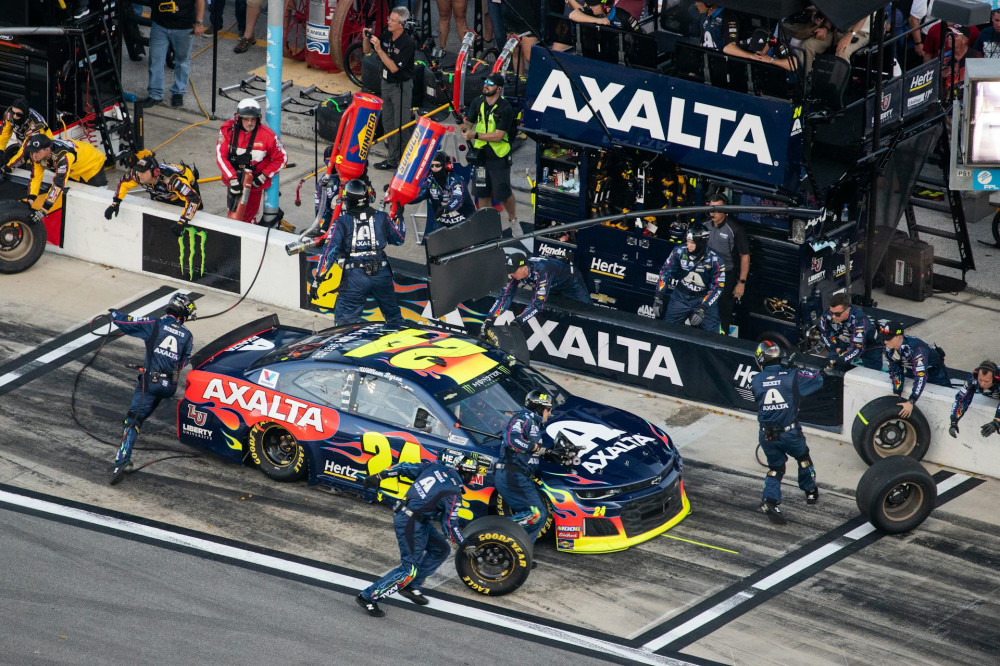
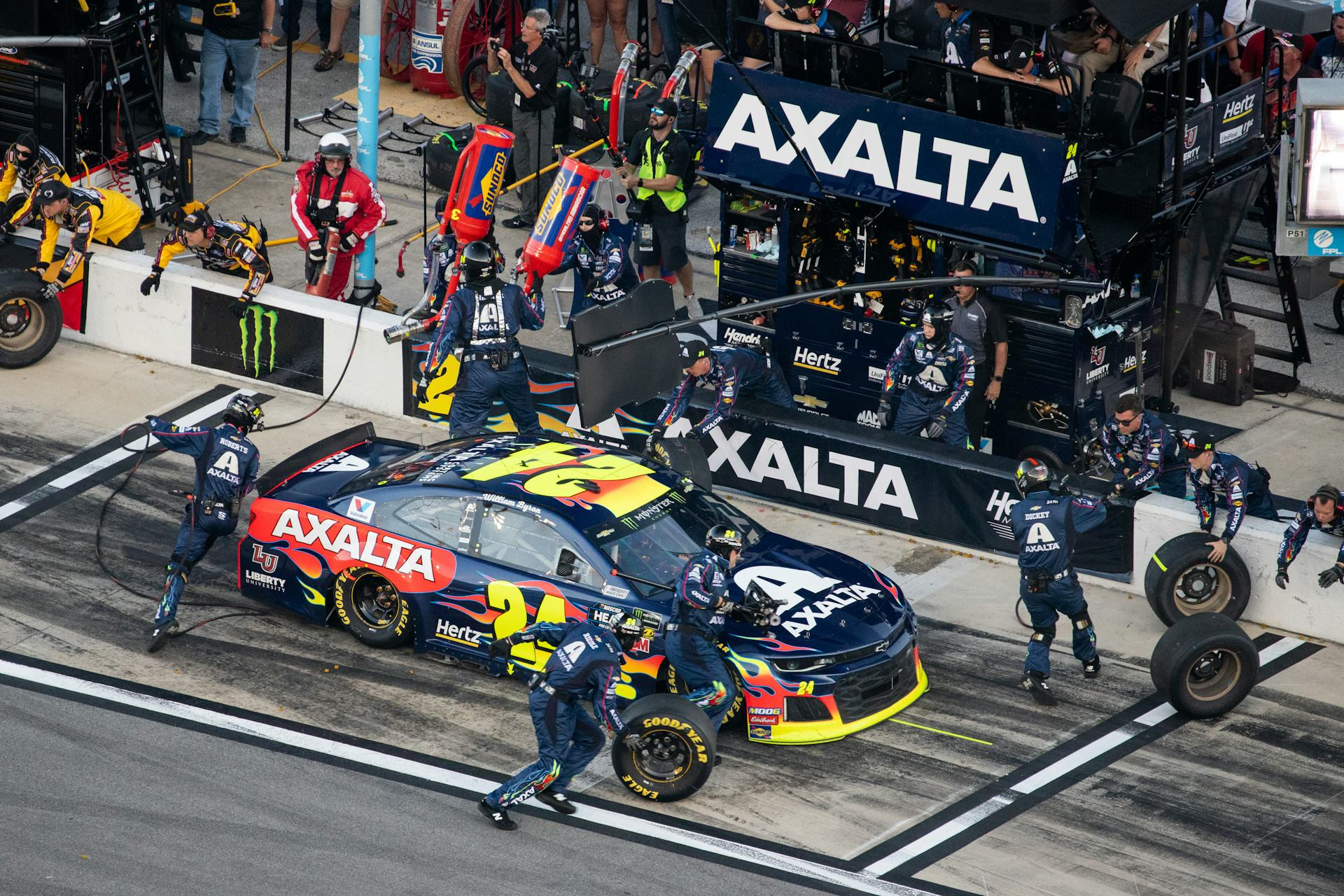
Motorsport differs from many other sports because outcomes depend on both human and technical factors. A mechanical failure, a pit stop error, or a sudden change in weather can alter everything in seconds. That makes it difficult to model probabilities precisely—and therefore to maintain stable odds.
Additionally, motorsport is divided into numerous classes and series, which fragments the market. A sportsbook might have strong liquidity for Formula 1 but very little activity for Formula 2, NASCAR Xfinity, or electric series like Formula E. Bettors looking for value in these smaller markets often have to accept greater volatility and less stability.
The Role of Technology in Building Liquidity
In recent years, technology and data analytics have made it easier to maintain liquidity, even in niche markets. Automated algorithms adjust odds in real time based on incoming bets, and peer-to-peer betting platforms—such as Betfair—allow users to trade directly with one another.
These systems improve market efficiency, but they also depend on volume. Without enough active users, even the best algorithms can’t create a stable market. That’s why many operators focus on attracting more participants through better user experiences, live data integration, and faster settlement times.
Læs også:



What It Means for Bettors
For individual bettors, high liquidity means you can place bets at fair odds and easily adjust your positions as the market changes. It offers flexibility and reduces the risk of being “stuck” in a bad bet.
Conversely, you should be cautious in low-liquidity markets. Here, even small wagers can move the odds, and you may end up paying more than the true probability warrants. A good rule of thumb is to monitor how much money has been matched on a given market and how quickly the odds are shifting.
The Future of Liquidity in Motorsport
As motorsport becomes more global and data-driven, liquidity is expected to grow. More series are gaining international exposure, and real-time race data is becoming increasingly accessible. This makes it easier for both operators and bettors to analyze and act quickly.
But stability doesn’t happen automatically. It requires transparency, responsible regulation, and an active community of participants who contribute to market balance. In the end, liquidity isn’t just a technical term—it’s the foundation of a fair, efficient, and trustworthy betting ecosystem.
Læs også: