Team Decisions Under Pressure – The Key to Sharper Judgments


Team Decisions Under Pressure – The Key to Sharper Judgments
When a team faces high-stakes decisions under pressure—whether in emergency response, business strategy, or competitive sports—the difference between success and failure often comes down to how the group manages stress, communication, and trust. In American football, for instance, a single play call in the final seconds can determine the outcome of a game. The process behind that decision is not just about data and tactics—it’s about psychology, preparation, and teamwork. This article explores how teams can make sharper judgments when the pressure is on.
Pressure Can Clarify – If Managed Well
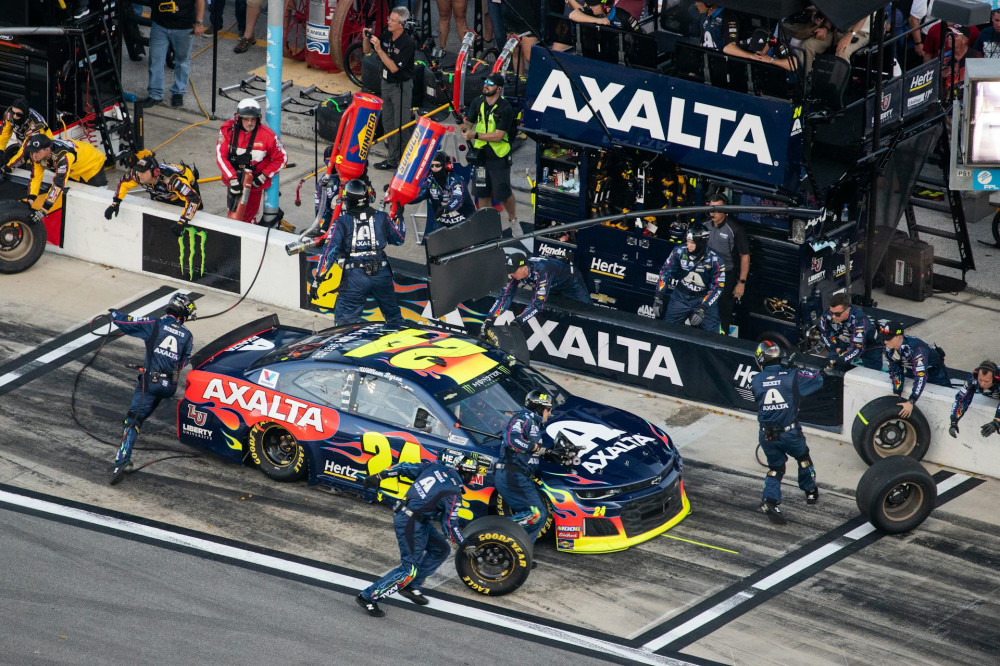
Pressure can paralyze—or it can sharpen focus. In a well-prepared team, stress becomes a catalyst for precision. That requires clear roles and a shared understanding of who makes the final call in critical moments. In a hospital trauma unit, for example, every second counts, and everyone knows their responsibility. The attending physician leads, but each nurse and technician acts with confidence because the structure is clear.
Teams that train for pressure don’t panic—they execute. This comes from simulations, well-defined procedures, and a culture that treats mistakes as opportunities to learn rather than reasons to assign blame.
Communication: The Invisible Engine of Decision-Making
When adrenaline spikes, communication is often the first thing to break down. Misunderstandings can lead to costly errors—whether it’s a missed signal in a military operation or a misinterpreted instruction in a corporate crisis. That’s why top-performing teams practice not only technical skills but also communication under stress.
Effective teams use concise, unambiguous language and shared codes that everyone understands. In aviation, for instance, pilots and air traffic controllers rely on standardized phrases to avoid confusion. The same principle applies in business: when time is short, clarity is everything.
Data and Intuition – Two Sides of the Same Coin
Modern decision-making is increasingly data-driven. But when time is limited, and the situation is fluid, intuition must take the lead. The best decision-makers combine both: they use data as a foundation but trust experience when rapid judgment is required.
In the financial world, a trader might rely on analytics to guide strategy but must also sense when the market’s mood is shifting. It’s not about ignoring data—it’s about knowing when to act on instinct informed by experience.
Læs også:



Trust – The Foundation of Fast Decisions
A team without trust hesitates. And hesitation is dangerous when decisions must be made in seconds. Trust is built over time through transparency, respect, and shared experiences. When team members believe that everyone is acting toward the same goal, it becomes easier to accept quick decisions—even those that go against one’s own opinion.
In a firefighting crew, for example, the captain must make split-second calls. The team’s trust in that leadership allows them to act immediately, without second-guessing. That mutual confidence is what keeps operations smooth under extreme pressure.
Learning After the Pressure
After an intense situation, reflection is essential—not to assign blame, but to understand what worked and what didn’t. The best teams conduct debriefs where every member contributes their perspective. This creates a culture of continuous improvement, where errors become lessons and the team grows stronger for the next challenge.
From Reaction to Reflex
When a team masters decision-making under pressure, reaction becomes reflex. The right choices happen almost automatically because preparation, trust, and communication are already in place. That’s where sharpness is born—not in the heat of the moment, but in the groundwork laid long before.
Whether it’s a last-minute play in the Super Bowl, a critical business pivot, or a life-or-death call in an emergency room, the principle is the same: a team that can think clearly under pressure will always have the edge.
Læs også: