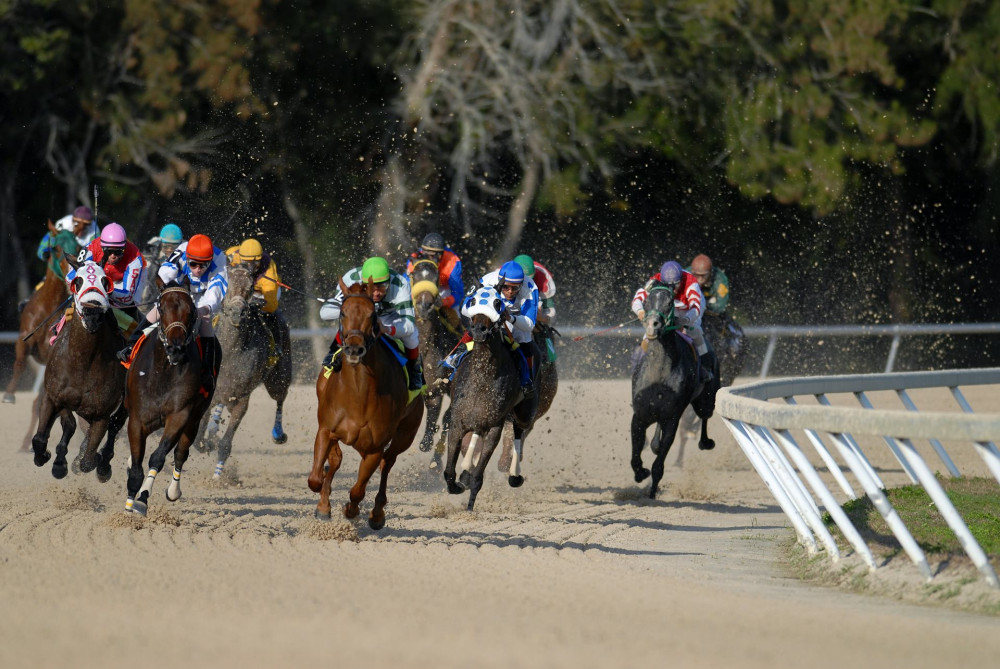
Read the Horse: Understanding Body Language and Behavior Before the Race

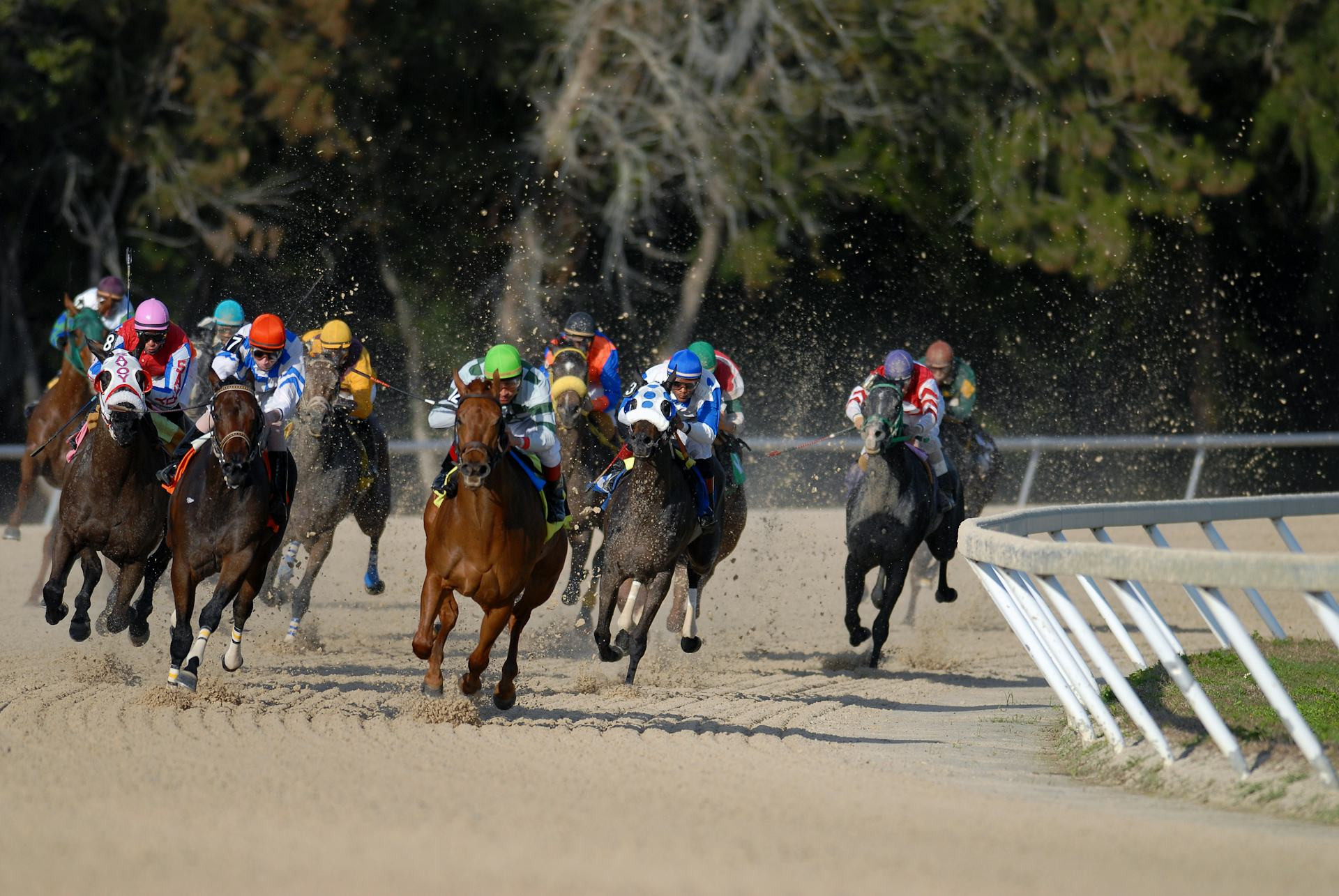
Read the Horse: Understanding Body Language and Behavior Before the Race
Being able to “read” a horse is one of the most valuable skills for anyone interested in horse racing. A horse’s body language and behavior can reveal a great deal about its condition, mood, and readiness to perform. For trainers and jockeys, this is part of daily work—but for spectators and bettors, learning to interpret these signals can add a whole new dimension to the race-day experience. Here’s how you can start understanding a horse’s body language and behavior before the race begins.
Before the Start: Early Clues to Race-Day Form
When the horses are paraded in the paddock before the race, it’s the perfect time to observe them. Watch how they move, how they respond to their surroundings, and how they interact with their handlers and jockeys.
- Relaxed but alert – A horse that walks calmly with its ears forward and eyes bright is usually in good balance. It’s focused but not tense.
- Overexcited or nervous – A horse that prances, sweats heavily, or tosses its head may be too keyed up. That doesn’t necessarily mean it won’t run well, but it could waste energy before the race even starts.
- Dull or uninterested – A horse that moves sluggishly or seems inattentive might be tired or uncomfortable. It could simply be having an off day.
Distinguishing between “positive energy” and “negative stress” takes practice, but with time, you’ll learn to see the difference.
Ears, Eyes, and Tail – Small Signals with Big Meaning
A horse’s body language is subtle but clear once you know what to look for.
- Ears act like antennas. When they’re pointed forward, the horse is curious and focused. Pinned back ears signal irritation or discomfort. Rapidly flicking ears show the horse is alert to many things at once—sometimes too many.
- Eyes reveal emotion. A calm, soft gaze suggests trust and concentration, while wide eyes showing white often indicate fear or agitation.
- Tail movement can express both energy and frustration. A tail that swings rhythmically may show confidence and readiness, while a tail that lashes sharply often signals annoyance or tension.
These small details can give you a clear picture of the horse’s mental state—and the mental side plays a huge role in performance.
Movement and Muscle Tone
A horse in top condition moves with ease and rhythm. It should look as though it’s gliding forward, not straining. Look for:
- Freedom in the shoulders – A horse that moves its front legs freely often has good balance and flexibility.
- Even rhythm – Uneven steps or stiffness can hint at soreness or discomfort.
- Muscle tension – A horse that tightens its neck or back may be anxious or in pain. A relaxed, elastic movement is a positive sign.
Even small changes in movement can tell you whether a horse is ready to give its best effort.
The Connection with the Jockey
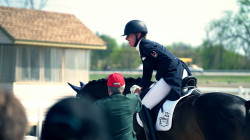
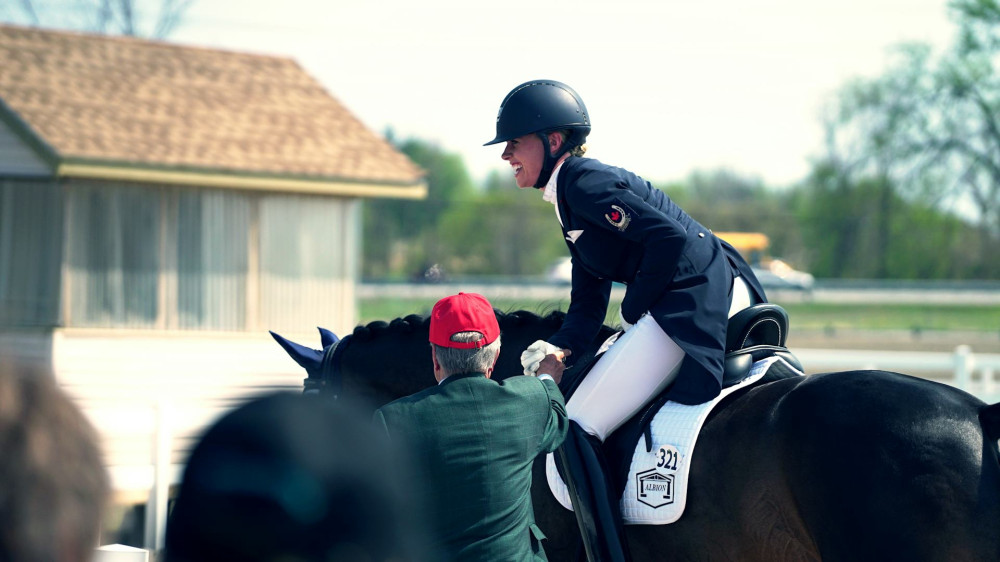
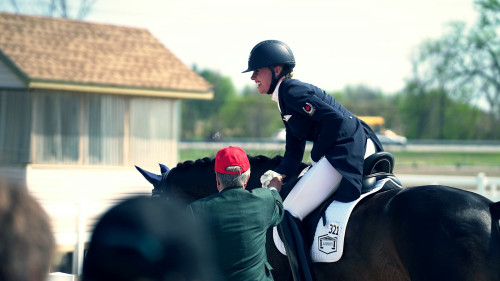
The relationship between horse and jockey is crucial. A horse that responds calmly to the rider’s cues shows trust and willingness to cooperate. If the jockey has to fight for control, or if the horse constantly resists, it may be unsettled or distracted.
Experienced jockeys use the warm-up to “feel” the horse—how it reacts to rein pressure, changes in pace, and shifts in weight. As a spectator, you can watch whether the jockey looks relaxed and confident or is working hard to settle the horse.
Mental Readiness – The Invisible Factor
Just like people, horses have good days and bad days. A horse that’s comfortable in its environment, eating well, and well-rested will usually project calm confidence. Stress from travel, weather, or changes in routine can affect its mental state.
Some horses thrive on the excitement of the crowd—they “light up” when the atmosphere builds. Others become overstimulated and lose focus. Knowing a horse’s personality and how it reacts to race-day conditions is a key part of preparation.
How to Practice Reading Horses
Learning to read horses takes time and observation. Start by watching many different horses in the paddock and compare their behavior to how they perform in the race. Over time, you’ll notice patterns—perhaps one horse always looks a bit edgy but still runs well, while another only performs when it appears completely calm.
Take notes and use your observations alongside statistics and past performance data. This gives you a more complete understanding of each horse’s potential.
Læs også:
Balancing Instinct and Experience
Reading a horse isn’t just about technique—it’s also about intuition. The more you watch, the better you’ll become at sensing what’s normal and what’s a warning sign. The combination of knowledge, experience, and gut feeling is what separates the seasoned observer from the casual fan.
Next time you’re at the track, take a moment to study the horses before placing your bet. You’ll discover that the race begins long before the starting gate opens—in the horse’s eyes, its movement, and its body language.
Læs også: