Sound, Light, and Atmosphere: How Sensory Impressions Shape the Experience at the Racetrack

Sound, Light, and Atmosphere: How Sensory Impressions Shape the Experience at the Racetrack
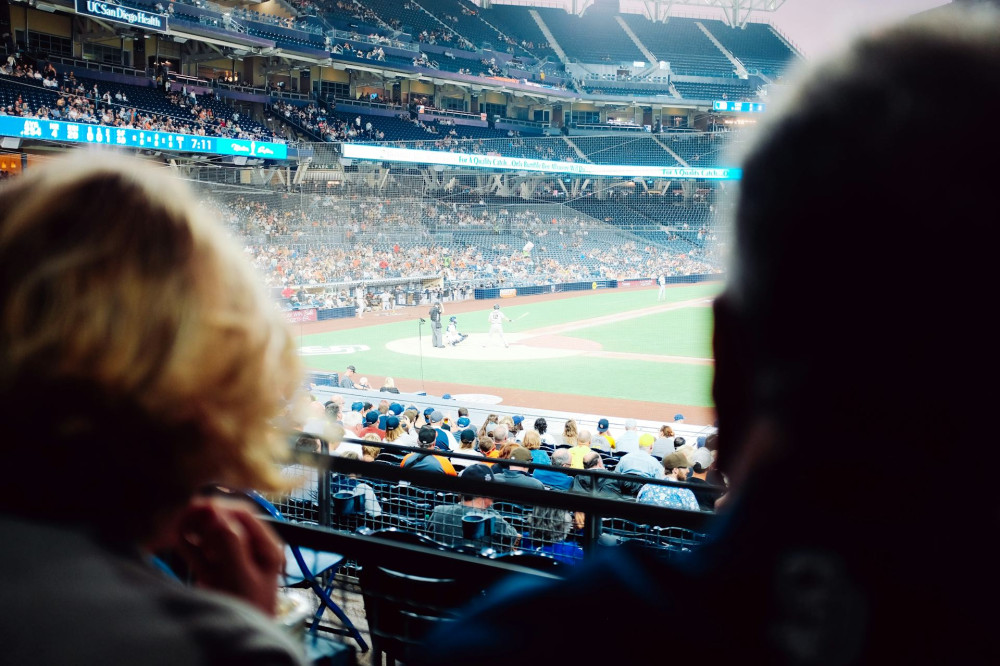
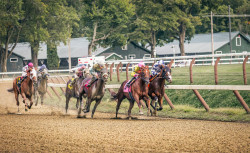
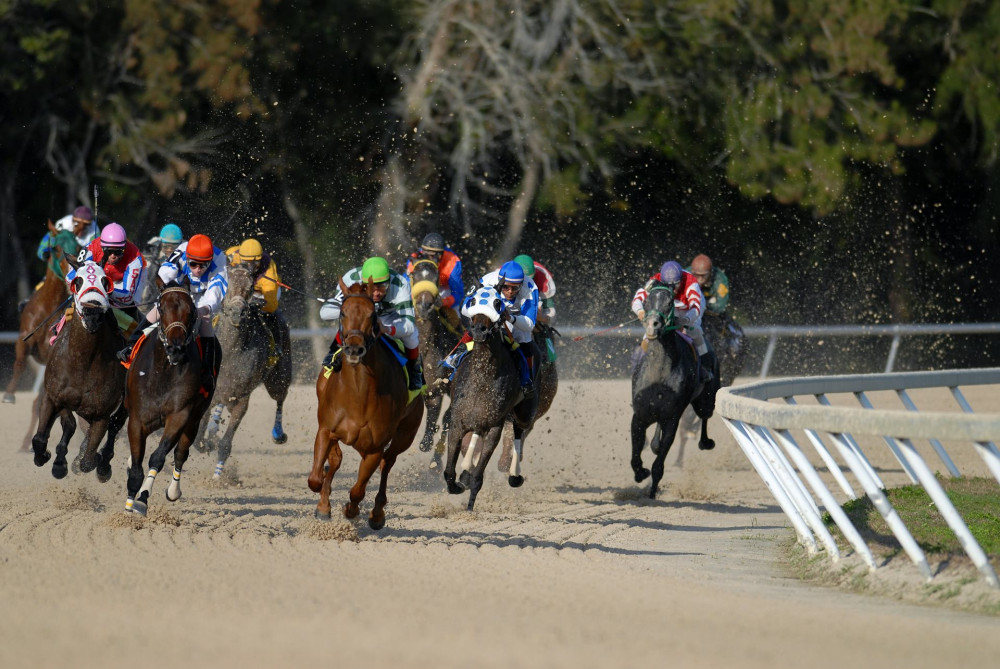
When the horses thunder down the stretch and the crowd erupts in cheers, it’s not just the race itself that creates the excitement. Sound, light, and atmosphere all play a crucial role in shaping how we experience a day at the racetrack. From the announcer’s voice echoing through the grandstand to the scent of fresh turf and the rhythmic pounding of hooves, every sensory detail contributes to the anticipation, intensity, and sense of community that define the sport.
The Power of Sound – The Rhythm That Drives the Experience
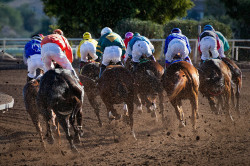
Sound is often the first thing that greets you when you step onto the track. The hum of conversation, the music playing between races, and the sharp clatter of horseshoes against the dirt or turf create a pulse that runs through the entire venue.
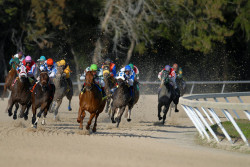
When the starting bell rings and the gates fly open, the noise swells. Shouts, applause, and gasps merge into a single wave of energy. It’s a sound that amplifies the tension and unites the crowd in a shared moment of exhilaration.
Many American racetracks now use sound intentionally as part of the experience. Upbeat music before and after races, dynamic commentary, and even subtle audio cues marking key moments help keep spectators engaged. The soundscape becomes a kind of storytelling – building from calm to crescendo and back again.
Læs også:
Light and Color – Setting the Stage for Drama
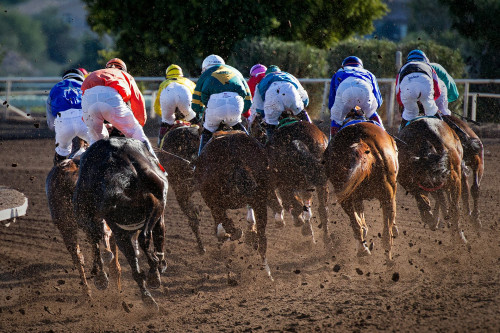
Lighting transforms the racetrack throughout the day. In the morning, the crisp daylight highlights the sheen of the horses’ coats, while evening races under floodlights take on a cinematic quality. The glow of the track lights, the shimmer of jockey silks, and the illuminated scoreboard all contribute to a sense of spectacle.
Modern tracks, from Churchill Downs to Santa Anita, often use lighting design to enhance the mood. Spotlights on the starting gate, color washes across the grandstand, and carefully lit walkways create a visual rhythm that mirrors the drama of the races themselves.
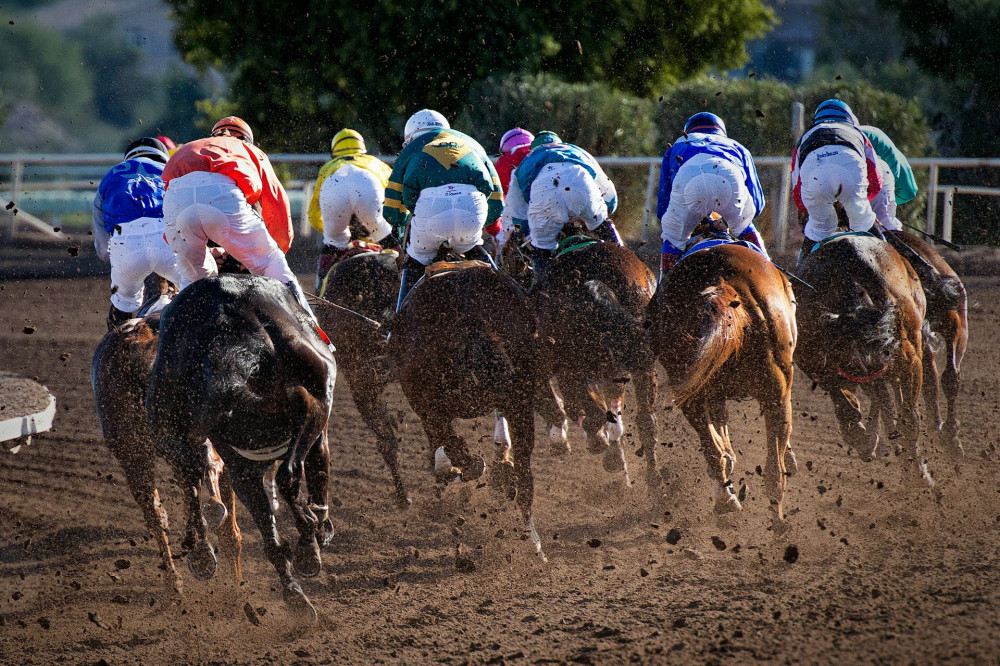
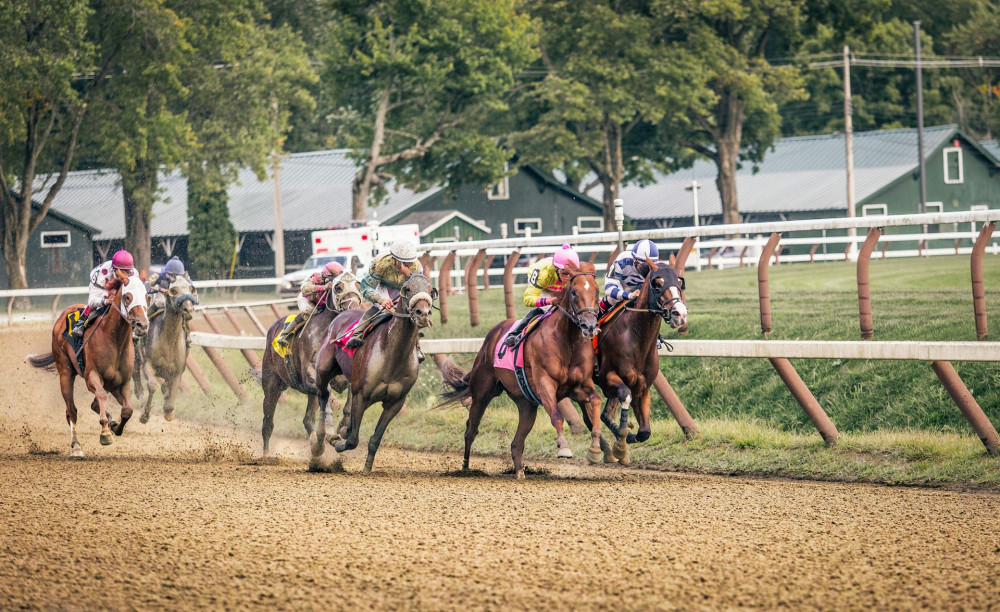
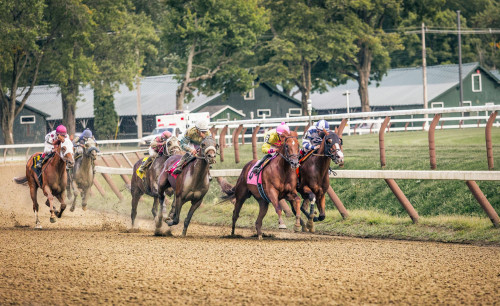
Color plays its part too. The vivid silks, the deep green of the turf, and the white railings form a moving tableau that’s as visually engaging as it is thrilling. The eye follows the motion, the contrasts, and the flashes of color that make each race feel alive.
The Atmosphere – Community, Tradition, and Anticipation
The atmosphere at an American racetrack is a blend of competition, tradition, and social connection. For some, it’s about studying the form and placing a bet; for others, it’s about the shared experience – the laughter, the food, the fashion, and the thrill of being part of something larger than oneself.
What makes the racetrack unique is how it engages all the senses. You feel the wind as the horses surge past, hear the crowd’s collective gasp, and see the determination in the jockeys’ posture. It’s a moment where time seems to compress – a few seconds of pure intensity that everyone experiences together.
Even those who come just for the atmosphere, not the wagering, find themselves swept up in the energy. The racetrack becomes more than a sporting venue; it’s a sensory arena where emotion and spectacle meet.
When the Senses Shape the Memory
Research in experience design shows that our senses deeply influence how we remember and evaluate events. A day at the racetrack where sound, light, and atmosphere work in harmony becomes more than a sporting outing – it becomes a complete sensory journey.
For organizers, this means crafting experiences that appeal to the senses as much as to the sport itself. For visitors, it means letting go and immersing themselves – not just in the race, but in everything that surrounds it.
When the horses cross the finish line and the crowd roars, it’s the culmination of that sensory journey. In that instant, sound, light, and atmosphere merge to create something unforgettable – a moment where sport meets emotion, and the experience lingers long after the final race is run.
Læs også: