Team Tactics and Support: How to Assess Value in Cycling Betting

Team Tactics and Support: How to Assess Value in Cycling Betting
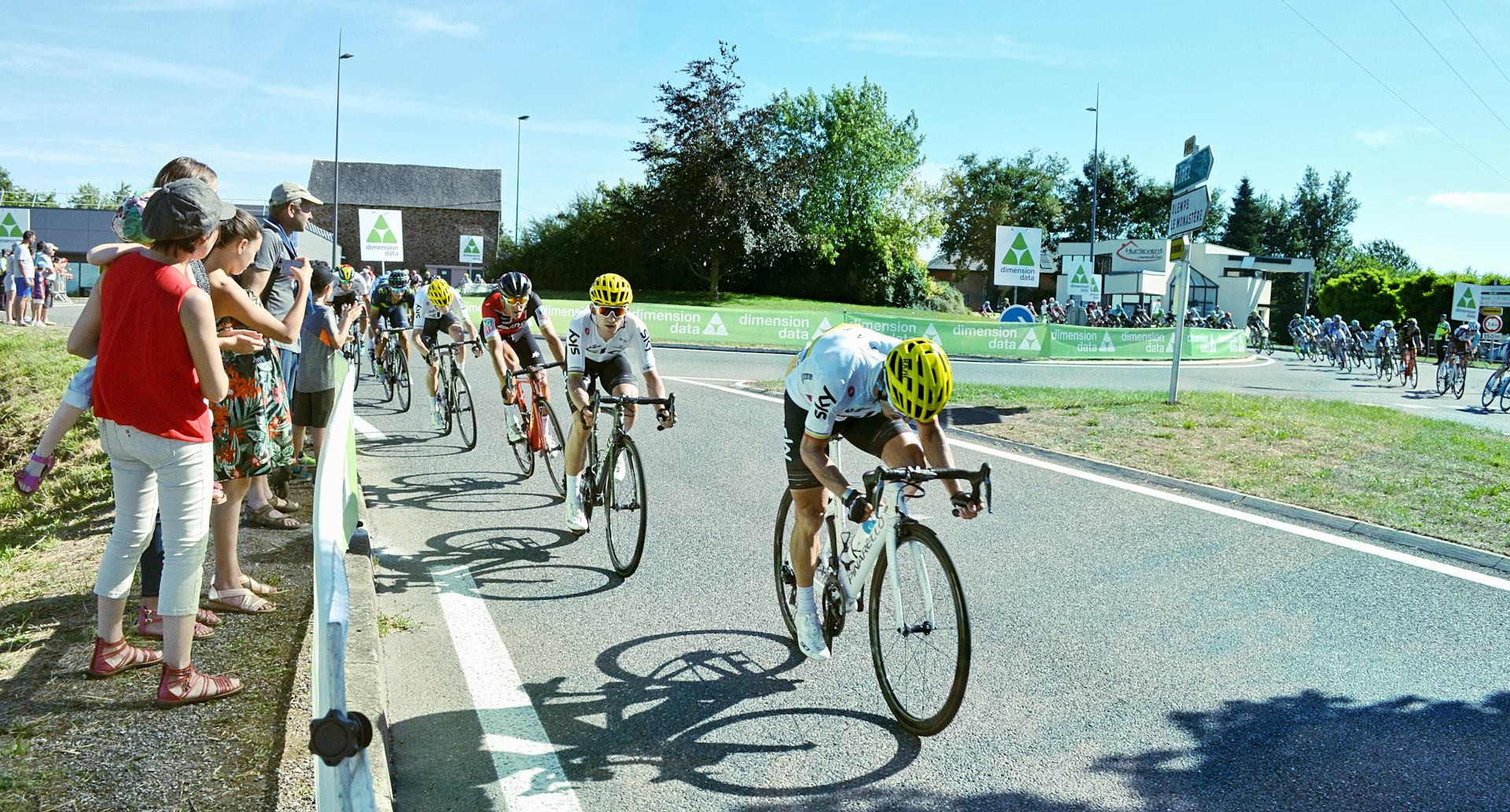
Professional cycling is unpredictable, dramatic, and full of tactical depth. For bettors, that’s exactly what makes it so fascinating—and so challenging. Unlike sports such as football or tennis, cycling is a team sport disguised as an individual competition. Understanding team tactics and support roles is essential if you want to identify where the real betting value lies.
Cycling Is a Team Sport—Even When One Rider Wins
Even though only one rider crosses the finish line first, there’s almost always an entire team behind that victory. In professional cycling, each team has a clear structure: leaders, domestiques (support riders), sprinters, climbers, and time trial specialists.
When analyzing a race, don’t just look at an individual rider’s form. Consider how the team around them is built. A strong leader without support in the mountains or on the flats can quickly become isolated, while a lesser-known rider with a cohesive team might outperform expectations.
Sometimes, a team lines up with multiple potential winners. That can create tactical flexibility—but also internal tension that weakens their overall chances. Understanding that balance is key to spotting value in the odds.
Read the Race Profile—and the Team’s Strategy
Not all races demand the same skills. A one-day classic like Paris-Roubaix rewards raw power and positioning, while a Grand Tour such as the Tour de France is about endurance, recovery, and teamwork over three weeks.
A team’s strategy depends heavily on the race type:
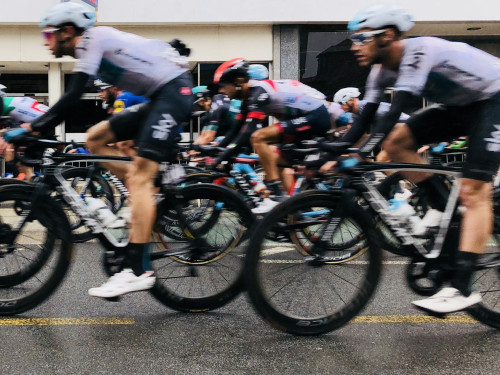
- In sprint stages, the entire team works to position their sprinter perfectly in the final kilometers. It’s worth evaluating how strong their “lead-out train” is.
- In mountain stages, the goal is to protect the team leader, deliver them to the base of the climb, and let them finish the job. Teams with multiple strong climbers can control the race far more effectively.
- In hilly classics, a team with several aggressive riders can pressure rivals and open the door for an outsider victory.
When assessing a bet, ask yourself: does the race profile suit the team’s strengths—and the rider you’re considering backing?
Læs også:
The Hidden Power of Support Riders
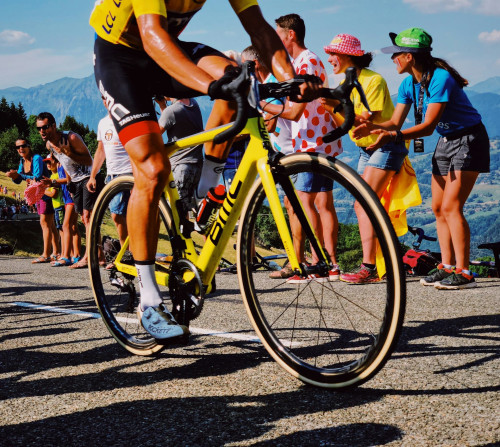
Domestiques are often the unsung heroes of cycling. They fetch water, shield their leader from the wind, and sacrifice their own chances for the team’s success. But their presence—or absence—can dramatically affect the outcome.
If a key support rider crashes or withdraws, the leader’s chances can drop significantly. Conversely, a team with several riders in top form can create tactical advantages, forcing rivals to waste energy responding to attacks.
From a betting perspective, that means following team news closely. A last-minute lineup change, illness, or crash in the days before a race can shift the dynamics—and the value in the odds.
Value Emerges When the Market Misses the Tactics
Bookmakers set odds based on statistics, past results, and general form. But they can’t always capture the tactical nuances that unfold during a race. That’s where an informed bettor can find value.
Common situations where the market misjudges the odds include:
- A favorite is overvalued because their team is weak in the mountains.
- An outsider is undervalued because they ride for a strong, tactically flexible team.
- A team prioritizes stage wins over the overall classification, changing rider motivation.
By combining knowledge of tactics, team roles, and race profiles, you can identify where the odds don’t reflect true probabilities.
Watch the Race—and Learn from the Dynamics
Cycling races evolve constantly. A crash, a crosswind, or a surprise breakaway can change everything. That’s why live betting in cycling is both risky and exciting. If you understand how teams react tactically, you can capitalize on moments when the market hasn’t yet adjusted.
Watch the races, read interviews, and pay attention to how riders cooperate. Over time, you’ll start to recognize patterns—teams that race aggressively, riders who sacrifice for others, and how decisions are made under pressure. That kind of insight separates casual bets from informed investments.
From Intuition to Insight
Cycling betting isn’t just about picking the winner—it’s about understanding the game within the game. Team tactics, support roles, and strategic decisions are the hidden factors that often determine who stands on the podium—and where the betting value lies.
The better you understand the interplay between riders and teams, the more likely you are to spot situations where the market gets it wrong. And that’s exactly where long-term profit potential can be found.
Læs også: