AI and Gaming: Can We Trust the Algorithms Behind the Strategies?

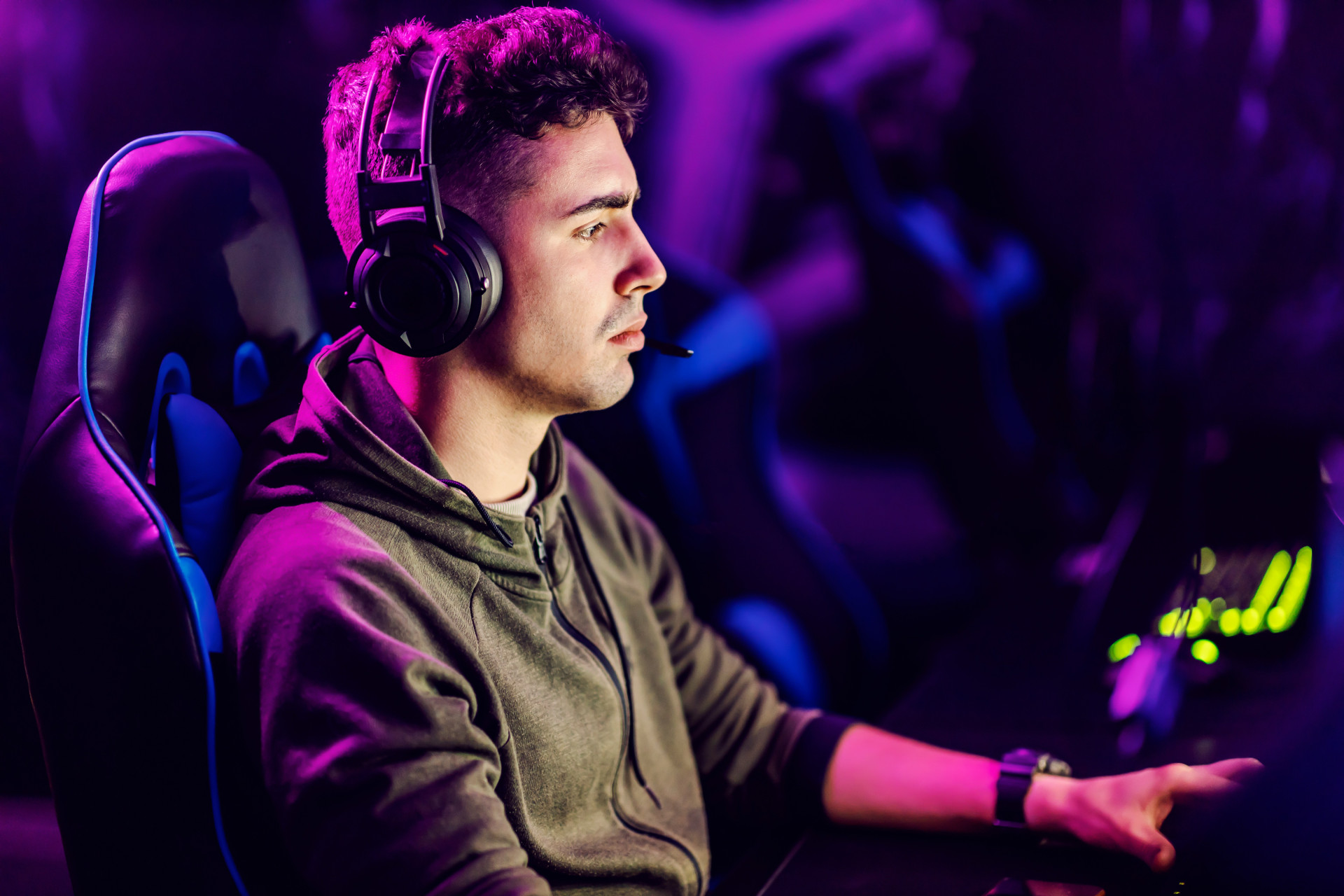
AI and Gaming: Can We Trust the Algorithms Behind the Strategies?
Artificial intelligence has become a major player in the gaming world—from esports and online poker to sports betting and fantasy leagues. Algorithms now analyze massive amounts of data, predict outcomes, and even suggest “optimal” strategies for players. But how much can we really trust these digital strategists that promise to give us an edge? And what happens when the machines become better at playing than we are?
When Machines Learn to Play
AI’s ability to recognize patterns and optimize decisions has transformed how we play and compete. In classic strategy games like chess and Go, algorithms have long surpassed human champions. Today, similar technologies are used in esports, where AI can break down player performance, map control, and in-game decisions to predict the most likely outcomes.
For many gamers, this is a welcome innovation—a tool that makes play more informed and exciting. For others, it feels like a threat to the spirit of the game. When an algorithm tells you what move to make, where’s the room for intuition, creativity, or luck?
AI in Betting: Data as Currency
In the world of sports betting, AI has become indispensable. Major platforms use machine learning to adjust odds in real time, while individual bettors rely on algorithms to identify “value” opportunities in the market. These systems can process thousands of games, players, and statistics in seconds—something no human could ever match.
But there’s a catch. The same algorithms that help bettors are also used by sportsbooks to protect their profits. That means AI isn’t necessarily working for you—it’s working for whoever owns the data and the system. The real question becomes: who actually has the advantage?
Transparency and Trust
One of the biggest challenges with AI in gaming and betting is the lack of transparency. Most algorithms are proprietary, meaning no one outside the company knows exactly how they work. When an AI recommends a bet or adjusts an in-game strategy, you rarely see the reasoning behind it.
That creates a trust problem. How can you rely on a strategy you don’t understand? And how can you be sure the algorithm isn’t designed to favor the platform over the player?
Experts are calling for more openness and regulation. If AI is to be used responsibly in the gaming industry, players should at least have a basic understanding of how these systems make decisions—and whose interests they serve.
When Games Become Predictable
Another concern is that AI could make games less unpredictable. As algorithms become better at optimizing strategies, we risk losing some of the human element that makes gaming exciting. If everyone uses the same data-driven methods, competition could turn into a battle between machines rather than between people.
In esports, this trend is already visible. Professional teams use AI to analyze opponents’ movements and strategies, leading to more uniform styles of play. It’s efficient—but it can also make matches feel repetitive and less spontaneous.
Læs også:




A Question of Responsibility
AI can be a powerful tool when used thoughtfully. It can help players understand probabilities, avoid impulsive decisions, and play more responsibly. But that requires ethical use—and a clear understanding of the technology’s limits.
At the end of the day, AI isn’t magic. It can only work with the data it’s given and the goals it’s programmed to achieve. If the goal is profit rather than fair play, the algorithm will act accordingly.
Can We Trust the Algorithms?
The answer is both yes and no. We can trust AI to be efficient at finding patterns and optimizing strategies—but not necessarily to act in our best interest. That’s why we should approach it with both curiosity and healthy skepticism.
AI is changing the way we play, but it doesn’t change the essence of gaming itself. Games are still about choices, risk, and human intuition. Algorithms can point the way—but it’s still up to us to decide whether to follow it.
Læs også: