Games as Mental Training: Patience, Focus, and Discipline in Gaming Behavior


Games as Mental Training: Patience, Focus, and Discipline in Gaming Behavior
For many Americans, gaming is synonymous with fun, competition, and community. But beyond entertainment, games—whether it’s poker, chess, esports, or sports betting—can also serve as powerful tools for mental training. When approached mindfully, gaming can strengthen patience, focus, and discipline—skills that extend far beyond the screen or the table.
Games as a Mirror of the Mind
The way we play often reveals more about our mindset than we realize. How do you react when you lose? Do you get frustrated when things don’t go your way? Or can you stay calm and think strategically under pressure? Our gaming behavior reflects how we handle uncertainty, make decisions, and manage impulses—the same mental abilities we rely on in everyday life.
Viewing games as mental training means using them as a space to practice clear thinking, sustained attention, and acceptance of outcomes we can’t control.
Patience – The Art of Waiting for the Right Moment
In many games, patience is the difference between success and failure. In poker, it’s about waiting for the right hand. In chess, it’s about building a position before striking. In sports betting, it’s about choosing your wagers carefully instead of chasing quick wins.
Patience isn’t passivity—it’s the ability to act at the right time. Those who learn to wait often make better decisions because they’re not driven by emotion or impulse. Training patience through gaming can therefore become a valuable exercise in self-control and strategic thinking.
Læs også:



Focus – Staying Sharp Amid Distractions
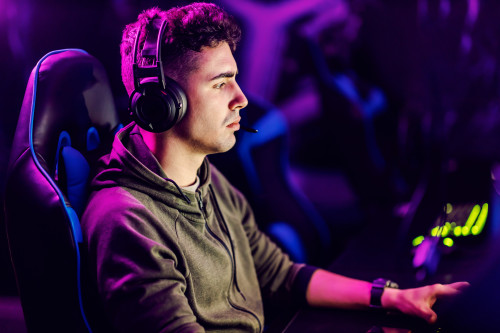
In a world overflowing with notifications and noise, focus has become a rare skill. Games demand concentration: reading opponents, analyzing patterns, and anticipating the next move. When you play, you practice being fully present—a kind of mental sharpness that translates to studying, working, and problem-solving in daily life.
Good focus isn’t just about keeping your eyes on the screen or the cards. It’s about filtering out distractions and maintaining clarity, even when the pressure rises. Those moments when concentration wavers are often the best opportunities to learn about your own mental resilience.
Discipline – Knowing Your Limits
Discipline may be the most essential mental quality in gaming. It’s about knowing when to stop—financially, emotionally, or mentally. In strategy games, discipline means sticking to your plan even when you’re tempted to improvise. In betting, it means following your system and not letting emotions take over after a loss.
Discipline isn’t just a safeguard against poor decisions—it’s a path to long-term success. The disciplined player learns to take responsibility for their choices and to see gaming as a process rather than a matter of luck.
Gaming as Learning – Not as Escape
When used consciously, gaming can be a source of learning and personal growth. But when it becomes an escape from reality, it loses that potential. Playing with a learning mindset means reflecting on your decisions: What went well? What could I have done differently? In this way, gaming becomes a mental training ground—a place to experiment with strategies, emotions, and reactions.
From Gaming to Everyday Life
The mental skills developed through gaming transfer directly to real life. Patience helps in relationships and long-term goals. Focus enhances productivity and problem-solving. Discipline supports healthy habits and thoughtful decision-making.
When we view gaming as a form of mental training, it becomes more than a pastime—it becomes a tool for personal development. It’s not about winning every time, but about becoming better at thinking, acting, and responding with awareness.
Læs også: